Marketplaces
Official Stores in marketplaces: boosting confidence and sales
How to convert an official store into a marketplace in a useful brand space to order the catalog, generate confidence, support campaigns and learn from buyers.
In brief
Key ideas
- A Store brings together catalog, content and brand narrative in a recognizable destination within the marketplace.
- The store should be designed as part of the commercial route: it needs traffic, clear navigation, available catalogue and measurement.
- Its value is not limited to Amazon: the logic of brand, content, operation and control applies to different marketplaces.
- An official store does not guarantee positioning or sales; the result depends on the proposal, the execution and the daily operation.
The marketplaces concentrate on the intention of purchase, traffic and a wide variety of sellers. For a brand or a manufacturer, being present is not always enough: their products may appear scattered, surrounded by alternatives and with little space to explain what makes it different from the company.
An official store - Store, Brand Store or brand window, according to the platform - creates a destination of its own within that environment. It allows to organize the catalogue, develop a recognizable identity and accompany the buyer from discovery to product choice.
It does not replace a good operation or guarantee results. It is a part of a strategy that connects content, catalogue, availability, advertising, care and measurement.
What is an official store in a marketplace
An official shop is a space dedicated to a brand within the marketplace. Unlike a separate product sheet, you can bring together different families, explain uses and benefits, present new news and build a navigation thought for the catalogue as a whole.
In Amazon, the current Brand Stores allow you to create a multi-page experience with products, images, videos and brand history. Amazon indicates that you can receive visits from the brand signature of the chips, a own URL, Sponsored Brands campaigns, display ads and external channels.
Although each platform offers different tools and requirements, logic is common: to convert a fragmented presence into a coherent brand experience within a third-party channel.
What it brings to brands and manufacturers
More confidence and a recognizable identity
The buyer needs to know who is behind the product and whether the information is reliable. An official presence helps to present the brand in a consistent way, to link its references and to explain its proposal better.
The Store does not by itself eliminate the risks of unauthorized sellers, falsifications or catalog errors. To protect the brand, the corresponding registration, the management of distributors, the surveillance of the channel and the use of the tools offered by each marketplace are still necessary.
A more easy to discover catalogue
When a brand has many references, individual chips do not always show the relationship between them. The store allows to structure the catalogue by category, need, public, collection, novelty or season.
A clear architecture facilitates cross-selling and reduces the dependence on the buyer to know the exact name of each product in advance. In Amazon, for example, collections and subpages can be used to group the offer and guide the route.
Increased control over product account
Images of lifestyle, video, comparative, instructions and editorial content help to move attributes that do not fit in a title or a main photograph. This is especially useful for manufacturers who need to explain innovation, materials, compatibilities, ranges or uses.
The control is still limited by the rules of the platform. The design must combine the identity of the brand with the technical, creative and moderation criteria of each marketplace.
A destination for campaigns and external traffic
A Store can function as a destination page for campaigns within the marketplace and also for network, email, QR codes or brand’s website traffic. Thus, a company-centred or category-oriented action does not necessarily have to lead to a single product sheet.
This allows for the coordination of advertising and content, but does not make the store an automatic source of visits. We need to design how the public will arrive, what you will find and what will be the next step.
Support for international expansion
The marketing places can facilitate access to new countries because they already concentrate buyers, means of payment and a commercial infrastructure. The official store helps to move the brand and the catalogue to each market.
Internationalization continues to require local decisions: product selection, language, regulation, taxation, prices, availability, logistics, care and consumer expectations. Replying a Store without adapting the operation is rarely enough.
How to design a Store that helps sell
Start with the tour, not the template
Before designing, it is appropriate to answer several questions: what audience will come?, what needs to understand?, how is the catalogue organized?, what references are really available?, what campaign or card leads to the store? and what decision do we want to make?
The navigation must use categories that are understandable to the buyer. The no-output routes, the no-link modules or the collections that mix different needs generate friction even when the design is attractive.
Create useful and mobile-adapted content
An effective Store combines identity and clarity. Images must explain; texts, help choose; and videos, solve a doubt or show the product in context. Everything must be reviewed on mobile, where the order, legibility and impact of visual elements change.
The content also needs maintenance. Launches, seasonality, packaging changes, decaffered products or promotions make a store apparently finished into an asset that must evolve.
Connect catalog, availability and operation
The best creativity loses value if it leads to stock-free products, incorrect variations or incomplete chips. The Store must be coordinated with the management of the seller’s catalog, inventory, prices, logistics, care and reputation.
That’s why the project doesn’t end when it comes to publishing. It needs responsible, review schedule and processes to detect incidents before they affect the buyer’s experience.
Integrate campaigns without relying on the discount alone
Sponsored Brands and other formats can direct traffic to the Store. Promotions can support certain commercial moments, but a strategy based only on rebates makes it difficult to build preference and profitability.
The objectives of the project are to be alternated: launch, category discovery, cross-sale, season, replacement or education on a range. Each goal requires a different combination of creativity, products and measurement.
Manage assessments responsibly
The views influence confidence, but they must be managed within the policies of each platform. Rapid response to incidents and learning from questions, returns and valuations are more sustainable than any attempt to artificially condition the reputation.
What to measure after publishing
The available metrics change according to the marketplace. In Amazon, Brand Stores information can include visits, page views, sales and traffic sources. Beyond the specific panel, it is appropriate to relate measurement to business questions:
- What pages and categories attract more interest.
- What routes lead to product chips and sales.
- What sources provide useful traffic and not just volume.
- How conversion, average order and product mix evolve.
- What campaigns generate incremental sales with sufficient margin.
- What content, products or markets need an update.
The comparisons should be made with caution. A correlation between visiting a Store and buying more does not in itself prove that the Store is the only cause; it can also reflect a greater prior intention. The important thing is to combine traffic data, campaigns, catalogue and sales to make decisions.
One piece within the marketing strategy
The official store should not live apart from the rest of the channel. It needs a catalogue policy, a stock and order operation, campaigns, attention, cost-effectiveness control and connection to internal systems.
It is also appropriate to define the role of each marketplace. Not all require the same assortment, content or investment. A brand can use Amazon for catalog depth, another channel for a specific category and its own ecommerce for relation, data and differential services.
Coherence does not mean copying the same store everywhere. It means maintaining a common identity while each presence responds to the audience and the actual possibilities of the platform.
Sitelicon experience in official shops
At Sitelicon Ecommerce Services we develop and operate Stores as part of our customers’ ecommerce and marketing strategy. Over the last decade we have created over 100 official shops for brands in very different sectors.
The work can include strategy, catalog architecture, content, design, production, international adaptation, configuration, campaigns, maintenance and analysis. By connecting it with SES, we can also coordinate inventory, orders, attention, integration and commercial evolution so that the store is not an isolated piece.
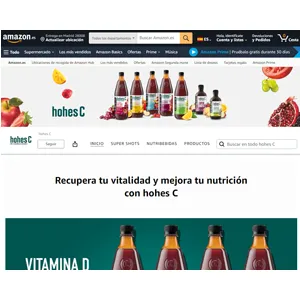
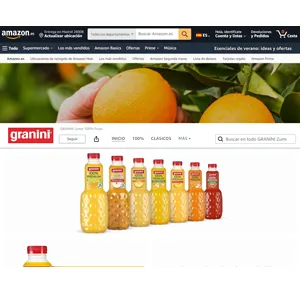
The following gallery retains the examples published in the historical article and shows the variety of brands for which we have worked.
Editorial responsibility
Who is responsible for this content?
Sitelicon Team
Content created and maintained by Sitelicon’s multidisciplinary team.
- Publication
- Latest review
- Traceability
- 3 referenced sources
Sitelicon experience
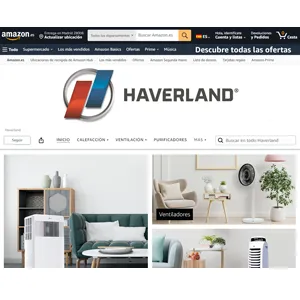
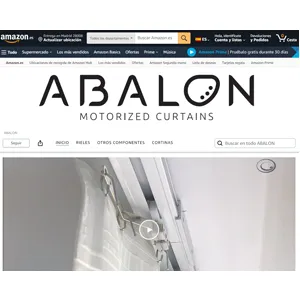
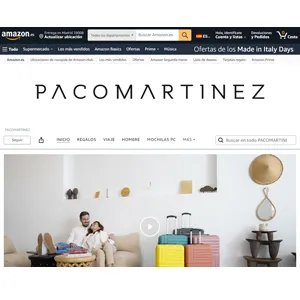
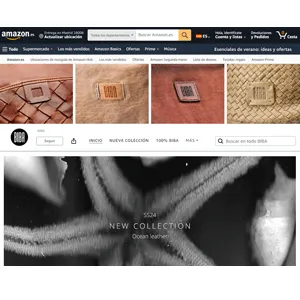
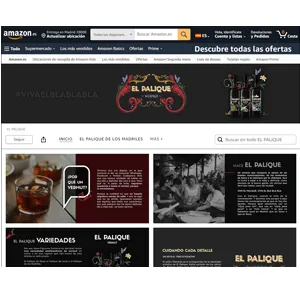
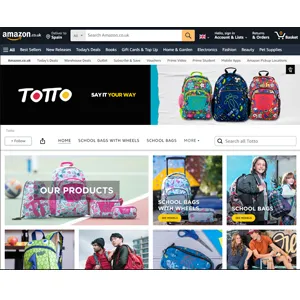
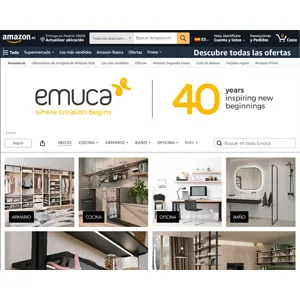
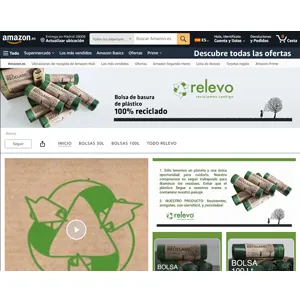
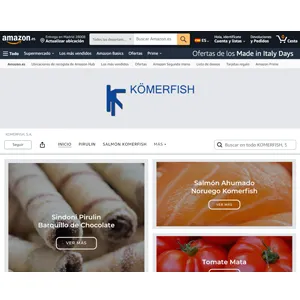
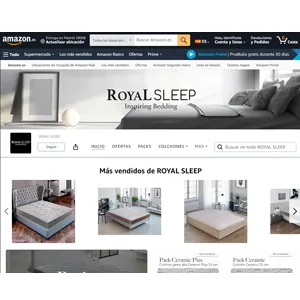
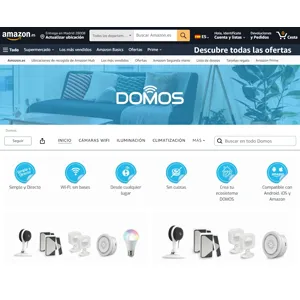
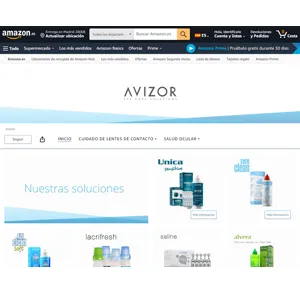
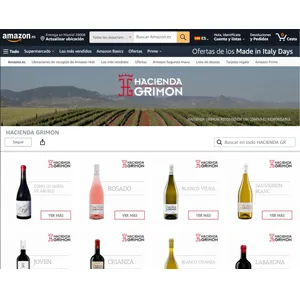
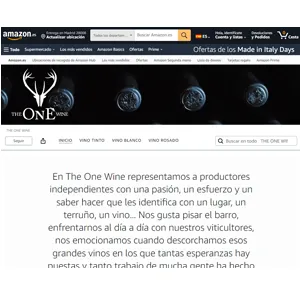
Official shops developed by Sitelicon.
A selection of work done for food, home, fashion, technology, beauty and great consumption brands. Each Store responds to a different catalogue, market and strategy.
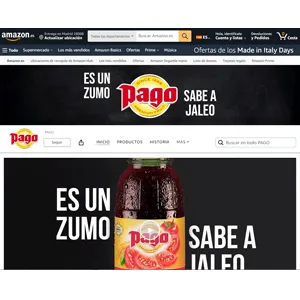
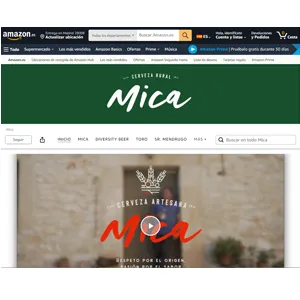
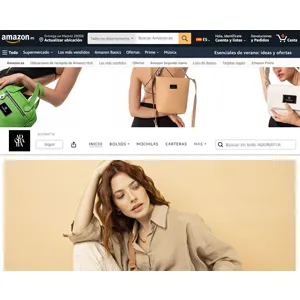
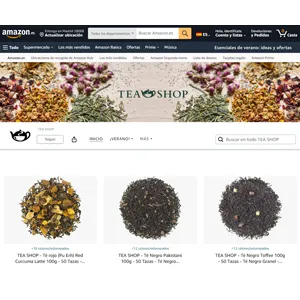

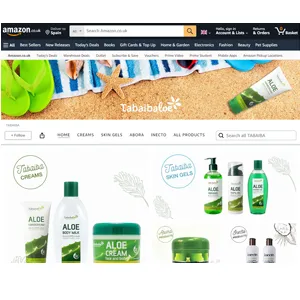
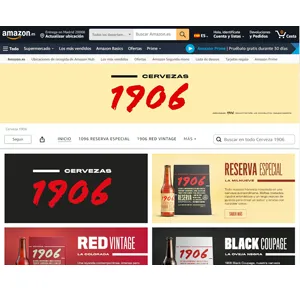
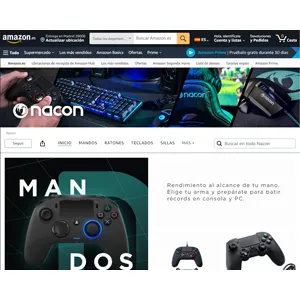
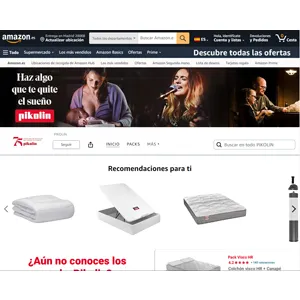
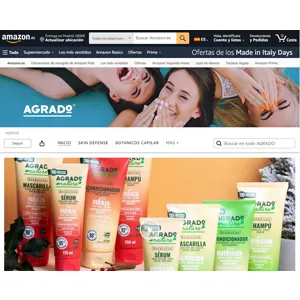
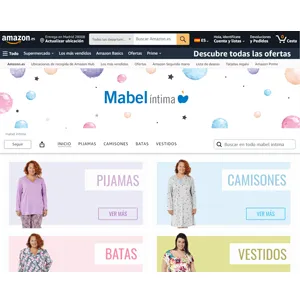
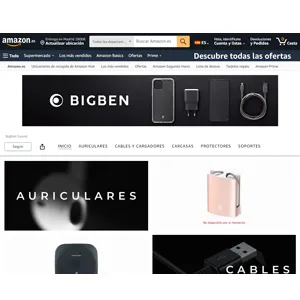
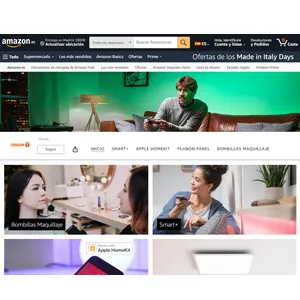

Editorial archive
Recovered and dated content.
Content recovered from the Sitelicon editorial archive. Last update recorded on . The features and terms of digital platforms may change over time.
Related services
We can help you put it into practice.
For each article, we select the Sitelicon capabilities most directly related to the topic.
Amazon and marketplaces
We manage strategy, catalogue, advertising, operations and integration across Amazon and other marketplaces.
View service 02Ecommerce strategy
We define the role of each channel, priority markets and a road map connected to the business.
View service 03Manufacturers: from B2B to B2C
We help manufacturers build a direct relationship with the consumer without losing control of channels and operations.
View service 04Ecommerce development
We design and build online stores connected to catalogue, ERP, PIM, CRM, logistics and marketplaces.
View service